ASTM E1527-21 Compliant
Phase I reports written to the current standard — the one lenders, buyers, and EPA accept for AAI. We don’t recycle 2013-era templates and hope nobody notices.

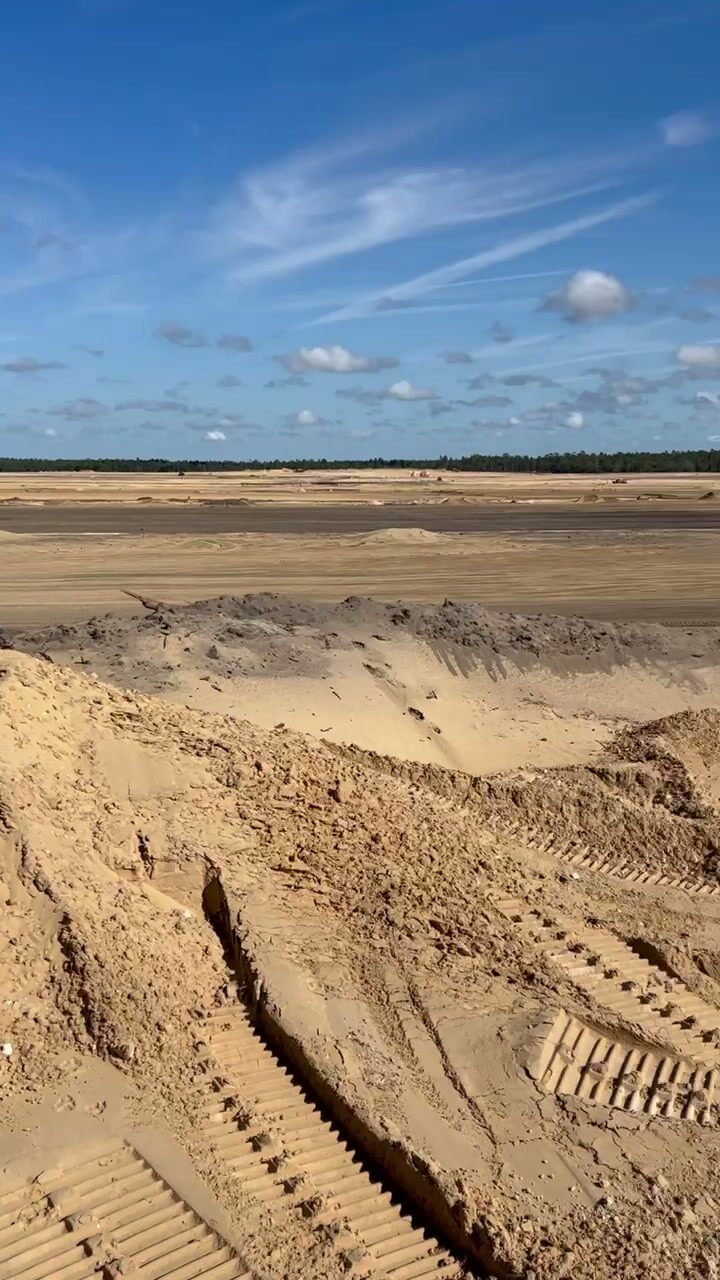
ASTM E1527-21 · Phase I & Phase II
ASTM E1527-21 Phase I ESA and Phase II sampling across Florida. AAI-compliant for CERCLA liability protection. UST & DEP experience. Call (352) 619-9292.
ASTM E1527-21 · CERCLA AAI-Compliant · Florida DEP-Experienced
Phase I and Phase II ESAs done the way they’re supposed to be done — to qualify for CERCLA’s innocent-landowner defense, not to check a box. We dig through records, walk the site, and when the records point to something, we put borings in the ground and sample.
Phase I reports written to the current standard — the one lenders, buyers, and EPA accept for AAI. We don’t recycle 2013-era templates and hope nobody notices.
USTs, dry-cleaner plumes, former citrus groves with EDB and chlordane residuals — we’ve worked the Florida-specific contaminants and the Florida DEP cleanup programs that come with them.
Same firm, same engineer, same chain of custody from records review through soil sampling, lab analytics, and final report. No hand-offs to a separate driller or sampling crew.
Most people order a Phase I because the bank told them to. Fair enough — that gets the project moving. But the actual reason a Phase I exists is to qualify the buyer for the innocent-landowner defense under CERCLA. Skip that step, and if contamination shows up after closing, the liability is yours regardless of who put it there.
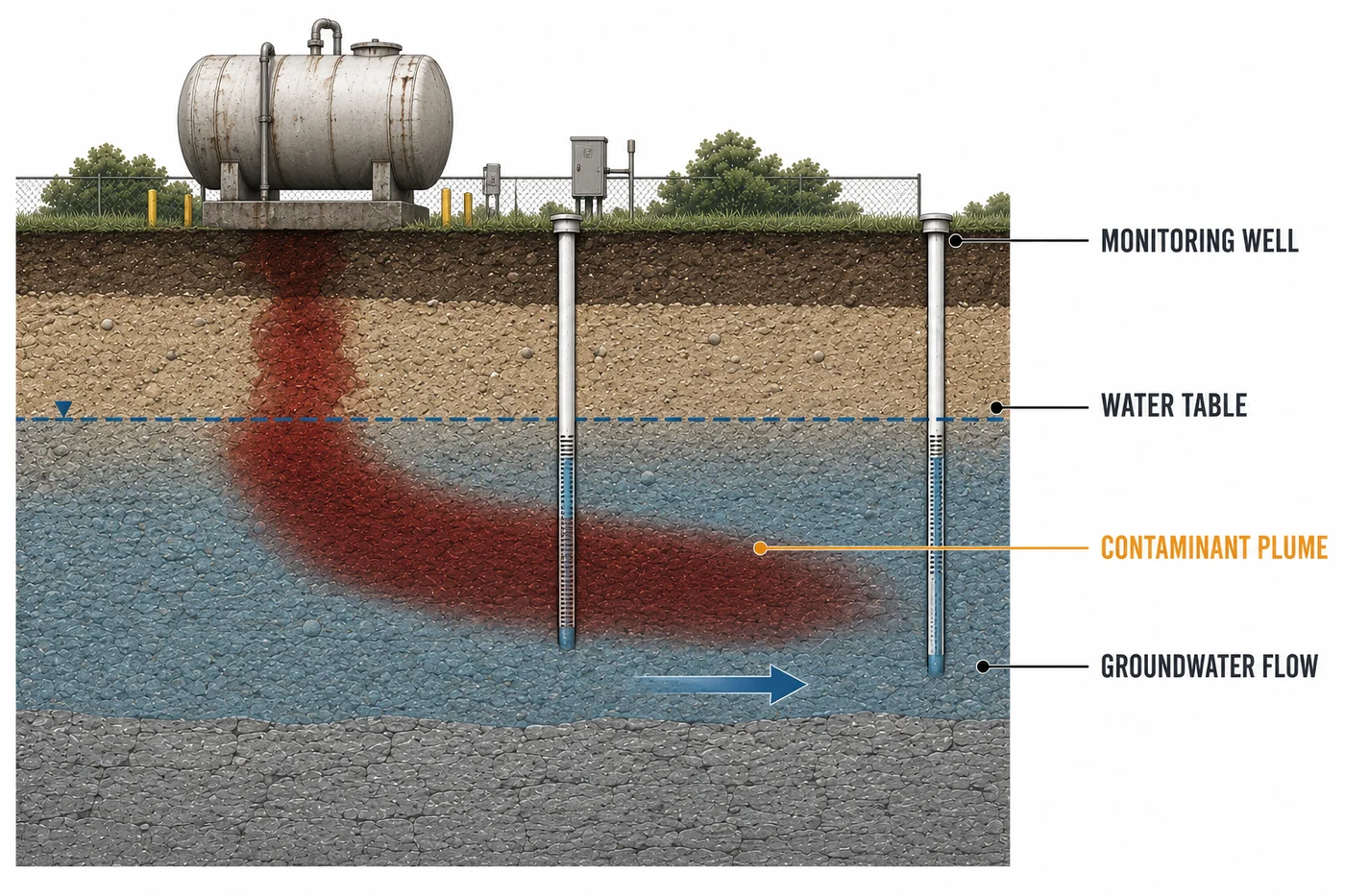
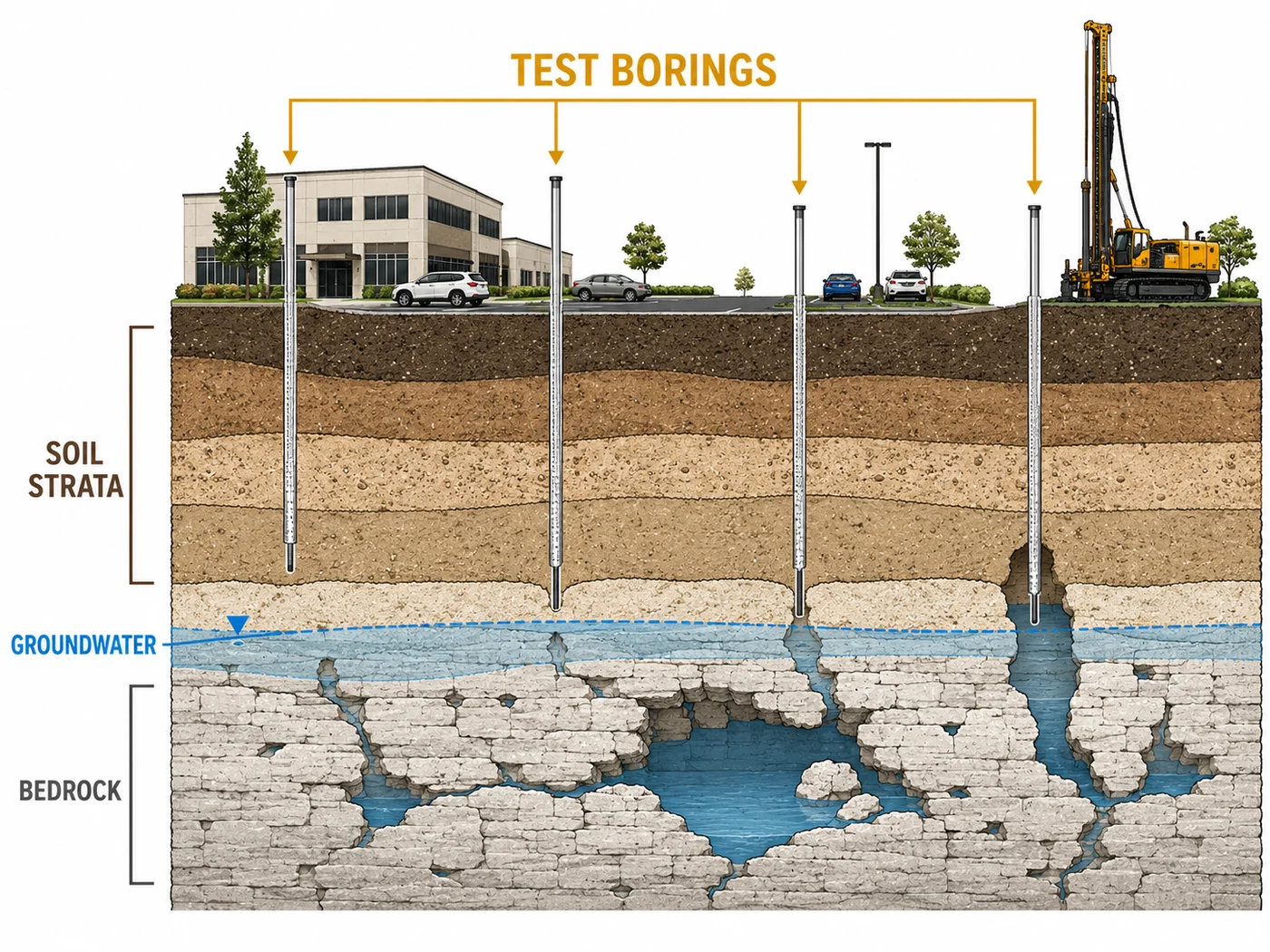
A Phase I Environmental Site Assessment is a records review and site reconnaissance done to the ASTM E1527-21 standard — the “All Appropriate Inquiry” framework EPA recognizes. It’s not a sampling program. The deliverable is an opinion on whether the site has any Recognized Environmental Conditions (RECs) — past or present uses that suggest contamination might be there. If the Phase I finds RECs, the next step is a Phase II, which is when soil borings and groundwater wells actually get installed and samples sent to a NELAC-accredited lab.
Florida has its own catalog of contaminants worth being honest about: petroleum from underground storage tanks at every old service station and farm equipment yard, dry-cleaning solvents at strip-mall plazas, EDB and chlordane residuals in former citrus groves, and arsenic from pressure-treated lumber and old cattle dips. FGS knows what to look for in Florida records because we’ve worked Florida sites — not Pennsylvania sites or Texas sites with a Florida disclaimer.
CERCLA — the federal Superfund law — makes the current owner of a contaminated property liable for cleanup even if somebody else did the contaminating. The way you avoid that trap is by completing All Appropriate Inquiry before you close. AAI is what an ASTM E1527-21 Phase I is designed to satisfy. Skip the Phase I, and you lose the defense. It really is that simple.
Lenders and SBA financing typically require it because they don’t want to foreclose on a site and end up holding a cleanup obligation. Buyers should want it because the cost of a Phase I is small compared to the cost of inheriting a petroleum plume. Sellers sometimes order one ahead of listing — a clean Phase I in the data room shortens due diligence and removes a negotiation lever from the buyer. Developers, especially on infill sites in Florida cities where the historical use was often industrial, order them to know what they’re walking into before the deal hardens.
The Phase I expires after 180 days for certain components and after one year for the report as a whole — past that, sections have to be updated or redone. We see clients try to reuse a Phase I that’s two years old. The bank won’t accept it, and the liability protection it offered has lapsed. Order fresh, or update; don’t rely on a stale one.
An honest Phase I is paper-trail discipline. An honest Phase II is dirty boots and lab results. Here’s how the work moves from a courthouse computer terminal to a stamped report your lender will accept.
Historical aerials going back 70+ years, Sanborn fire-insurance maps, city directories, chain-of-title research, regulatory agency database review (EPA NPL/CERCLIS/RCRA, Florida DEP UST/SIRP/FIPTF/EDI databases), local building and fire department file searches. The paper trail tells most of the story before anyone walks the site.
An on-site walkdown of the property and its adjoining parcels, interviewing the current owner and reasonably available occupants, photographing observable conditions, identifying staining, drums, vent pipes, transformers, and any sign that historical records didn’t capture. Off-site visual inspection of adjacent uses. Plus user-provided documentation review.
When the Phase I identifies RECs that need confirmation: targeted soil borings, monitoring well installation, groundwater sampling, soil gas surveys when vapor intrusion is a concern. Our own drilling rigs do the work and our own staff collects the samples — no third-party scheduling games.
NELAC-accredited lab analytics, comparison to Florida DEP CTLs (Cleanup Target Levels), interpretation of results in the context of property history, and a stamped report. If results trigger DEP notification, we handle the coordination — SIRP enrollment, EDI petitions, FIPTF eligibility evaluation as applicable.
Every state has its own catalog of historical contamination based on what economic activity happened where. Florida’s catalog is heavy on petroleum, agriculture, and dry cleaning. The contaminants below show up often enough that a Phase I in Florida that doesn’t actively look for them isn’t really a Florida Phase I.
Petroleum from underground storage tanks (USTs). Every old service station, marina, farm, fleet yard, fish camp, and county maintenance facility had tanks. Many were removed before there was decent recordkeeping; others were closed in-place. UST status is the single most common REC in Florida Phase I reports.
Dry-cleaning solvents (PCE and TCE). PCE was the standard dry-cleaning solvent for decades. Strip-mall plazas with a dry cleaner in the corner unit usually have a plume under the parking lot. Vapor intrusion into adjacent retail or residential is the modern liability concern.
Agricultural chemicals on former citrus and pasture land. EDB (ethylene dibromide) was applied to citrus rootstock for decades and persists in groundwater. Chlordane was used heavily as a termiticide. Arsenic from pressure-treated lumber and cattle-dipping operations shows up in surface soils across former agricultural Florida.
Industrial solvents and metals at older industrial properties. Machine shops, plating operations, auto-repair facilities, printing shops. Chlorinated solvents and heavy metals in soil and groundwater.
Asbestos and lead-based paint in pre-1980 structures. Triggers separate inspection scope but is part of the Phase I background review and can trigger a hazardous-materials survey as a non-scope service.
If Phase II sampling shows concentrations above Florida DEP Cleanup Target Levels (CTLs), the property may need to enter one of several DEP cleanup or eligibility programs. Knowing which program applies — and getting properly enrolled — preserves the property’s eligibility for state cost recovery and limits the owner’s exposure. The programs we coordinate with most often:
Florida Petroleum Liability and Restoration Insurance Program. State trust fund for eligible petroleum discharge sites. Eligibility is paperwork-intensive and worth doing right.
Site Investigation and Remediation Plan / State-Funded Cleanup. The DEP track for non-petroleum and non-PRP contamination cleanup, with public funding for eligible sites.
Early Detection Incentive Program. Specific UST-discharge funding eligibility track with strict enrollment deadlines.
Drycleaning Solvent Cleanup Program. Dedicated cleanup funding for eligible dry-cleaner solvent sites.
Brownfield Site Rehabilitation Agreement. Voluntary cleanup program with tax credits and liability protection for sites being redeveloped.
Most clients have never heard of any of these acronyms before their Phase II report comes back. Part of the job is explaining which program fits and walking the enrollment through with the assigned DEP project manager.
FAQ
If you want CERCLA innocent-landowner liability protection, yes. The Phase I is what satisfies the All Appropriate Inquiry requirement. Without it, you can become responsible for cleanup of contamination you didn't create. For most commercial transactions, lenders also require one. Residential transactions usually don't unless the home is on a site with a flagged history.
Standard turnaround is two to three weeks from authorization to final report — about a week of records research, a site visit, and a week to draft and review the report. We can pull rush schedules to 7–10 days when the closing calendar demands it. Most of the time on the clock is database vendor delivery and county records turnaround, not our drafting time.
No — but most lenders and reasonable buyers want one. The Phase I says "there's reason to suspect contamination might be present." The Phase II answers "is it actually there, and at what concentration." Without Phase II confirmation, the unknown becomes a deal-killer or a price reduction. With Phase II results, the parties can negotiate from facts. Sometimes Phase II results come back clean and the deal closes faster than it would have without one.
Wide range, because it depends entirely on scope. A targeted Phase II investigating two former UST locations might be a few borings and a couple of monitoring wells with focused analytics — modest cost. A Phase II on a multi-acre former industrial site with several RECs, soil and groundwater both, plus soil gas, is a multi-phase project costing several times that. We scope Phase II programs to answer specific questions identified in the Phase I, not to drill the maximum we can bill for.
Probably not — and almost certainly not as-is. ASTM E1527-21 requires certain components (interviews, records review, site visit) be updated within 180 days for AAI to remain valid, and the full report has a one-year shelf life. Past that, components have to be refreshed or the whole report redone. If your Phase I is between 180 days and a year old, we can do an update. Past a year, we typically recommend a new report — by that point, updating costs nearly as much.
Get started
Tell us about your project and we'll get right back to you. Industry-leading turnaround on stamped reports, fieldwork, and lab results.
Prefer to talk? (352) 619-9292
Thanks — we've got it and we'll be in touch within one business day.
Need it now? Call (352) 619-9292.
Statewide service area
FGS delivers environmental site assessment across Central and North Florida from our Ocala lab. Explore the service in the communities we cover most: